Computer vision · Dataset annotation
Sun-Glare Detection Model.
Detecting sun glare in gym images and investigating how local and online training data affect the detector.
Research paper
Evaluating the Impact of Online Database Integration on the Performance of a Sun Glare Detection Model: A Case Study from a Chinese High School Gym
Yibo Ma · Advances in Engineering Technology Research
The abstract reports the strongest detection performance with local training data. Combining local and online images performed slightly worse, but reached high performance in fewer epochs and showed greater stability in this case study.
Read paper · DOI: 10.56028/aetr.12.1.1222.2024Inside the project
Images and demonstrations.
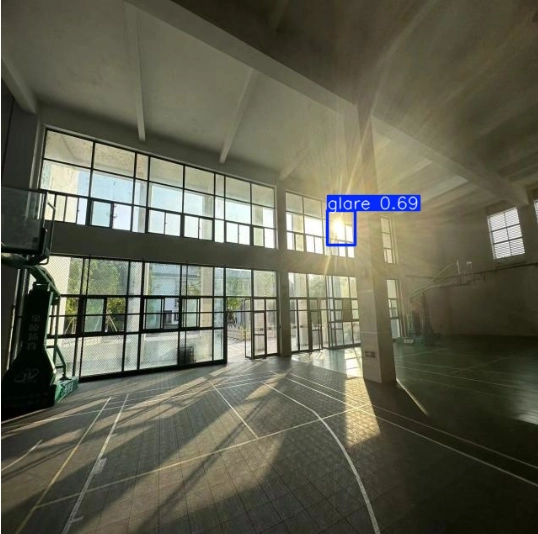
Detection example
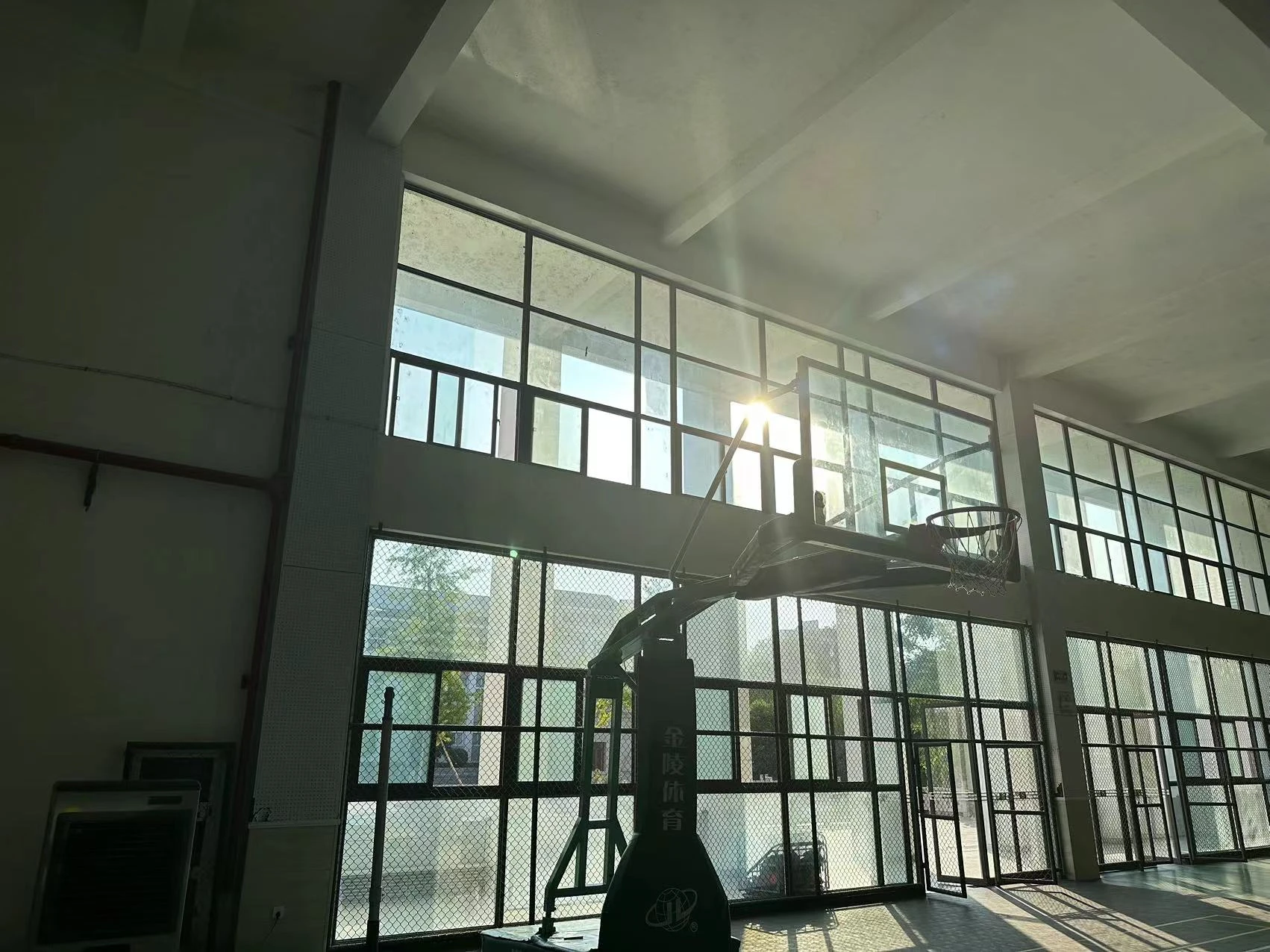
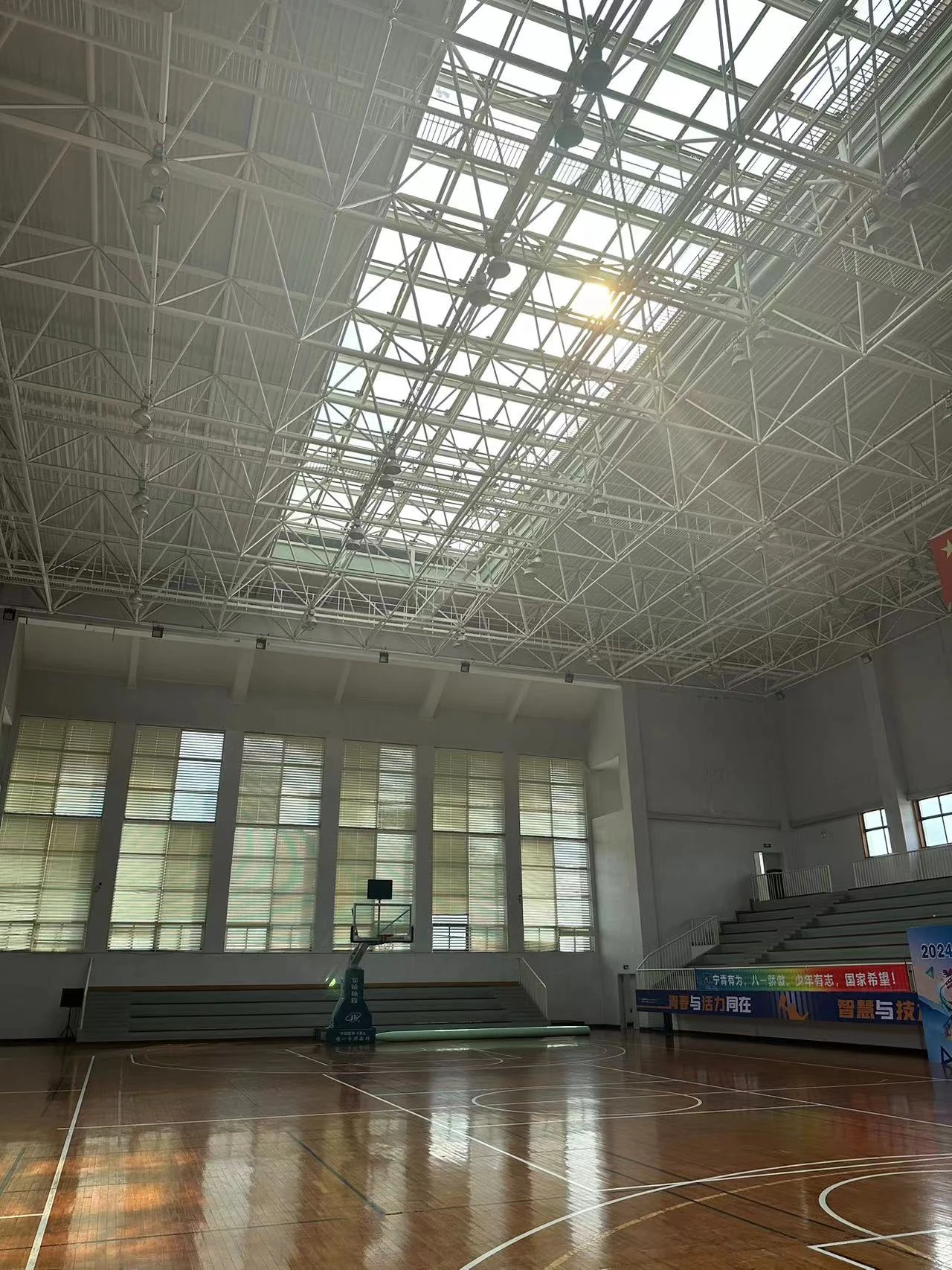
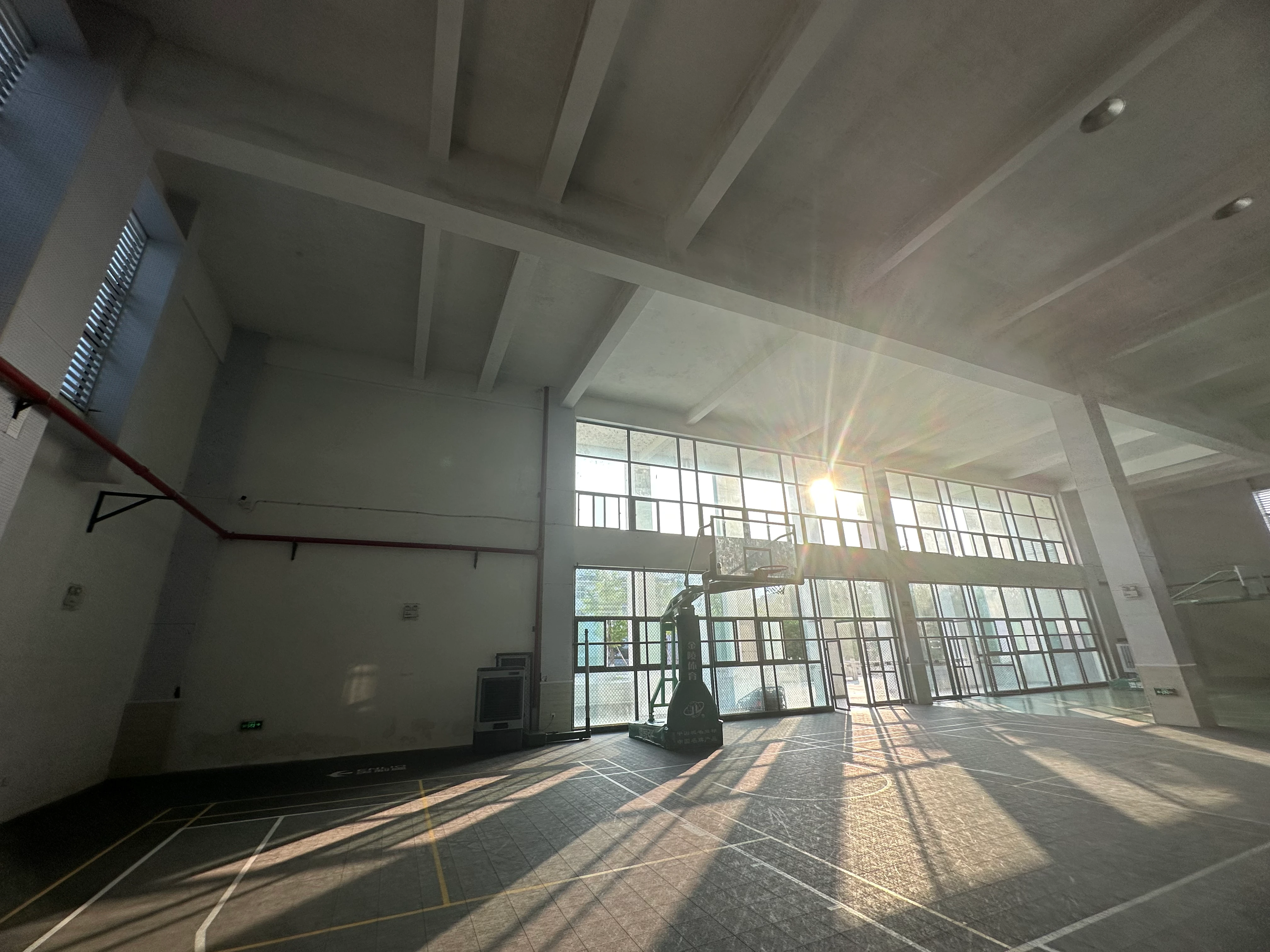
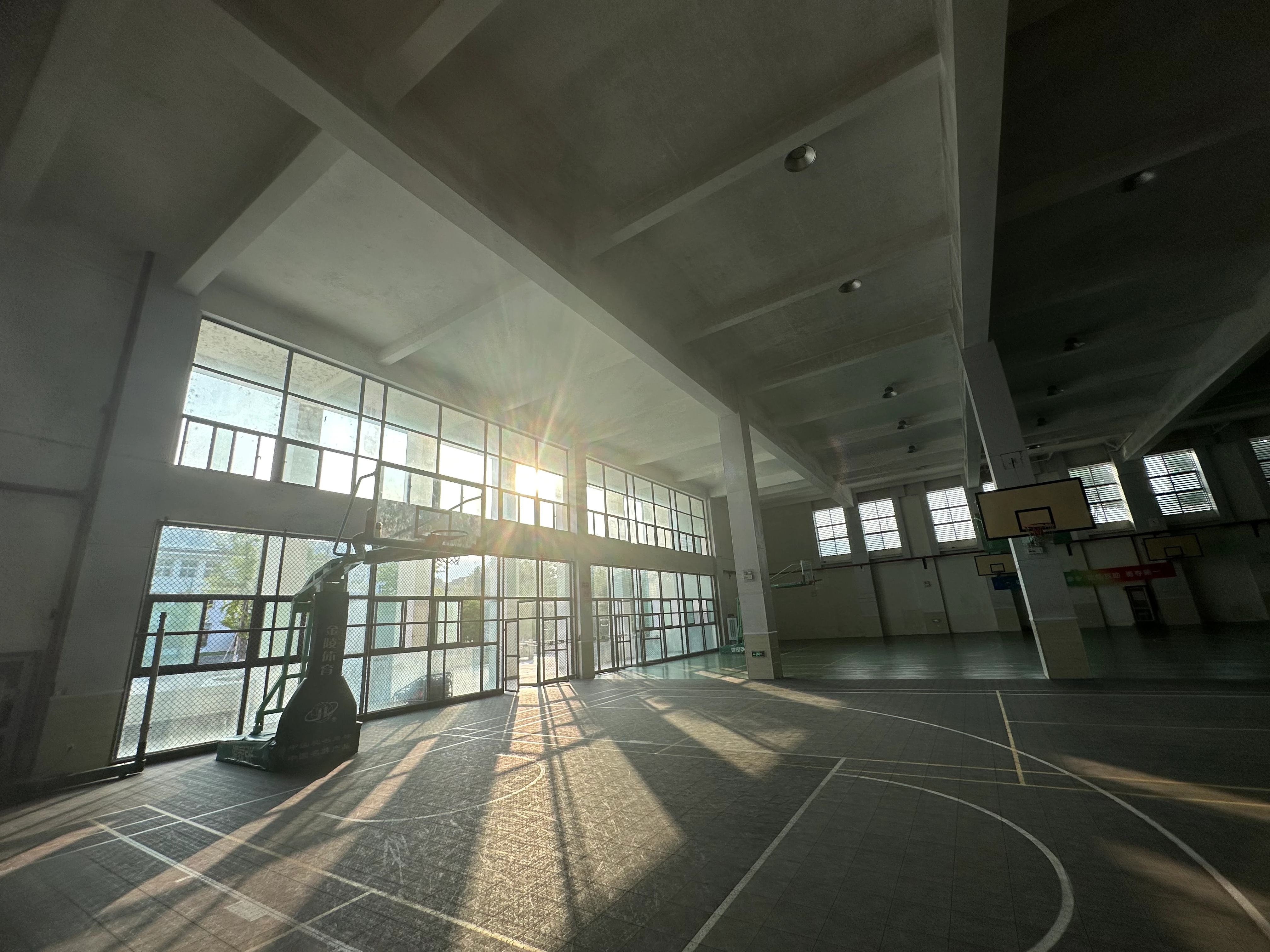
Source photographs
Different viewpoints and lighting conditions in the gym.
The idea
From labels to a detector
- Annotate in Roboflow
- Train a YOLO model
- Detect sun glare
My contribution
Annotated sun-glare images in Roboflow, trained a YOLO object detector and authored a case study comparing local, online and combined training data.
Result
Completed annotation and model training, with the case study available through the paper DOI. The supplied detection example illustrates a prediction, rather than an overall accuracy measurement.
Technology and methods
Roboflow / YOLO / Image annotation / Object detection / Training-data comparison
Technical approach
Annotation defines the glare regions used for detector training. The paper investigates data-source choices for the school-gym setting. Supplied source photographs and a detector-output example appear above; the annotation–training–detection visual below is an abstract illustration, not model output.